
The Permanent Framework for Coordination and Monitoring (CPCS)
The process of Integrated Water Resources Management (IWRM) in West Africa was initiated during the West African Ministerial Conference on Integrated Water Resources Management, held in Ouagadougou from March 3 to 5, 1998. At this Conference, the then 16 ECOWAS countries committed themselves to moving from a sectoral and technocratic management of water resources to an integrated and participatory management approach, consistent with the principles adopted by the Dublin Preparatory Conference (January 1992) and endorsed by the Rio Earth Summit (June 1992).
The implementation of the recommendations of this Conference led to the following results:
-
Adoption of the West Africa Regional Action Plan for Integrated Water Resources Management (PAGIRE-AO);
-
Creation of a Permanent Framework for Coordination and Monitoring (CPCS) of IWRM within ECOWAS.
Organs of the CPCS and Their Roles
The Ministerial Monitoring Committee (CMS)
The CMS succeeded the ministerial monitoring committee (CSM) established by the 1998 Ouagadougou Conference on IWRM. It is composed of the 15 ministers in charge of water resources of the ECOWAS Member States. The CMS is the guidance and decision-making body of the CPCS. It meets at least once every two years. It defines the strategy of the CPCS bodies to achieve their objectives and ensures proper implementation.
Its functions include:
-
Deciding on the creation of working groups or any other institutional mechanisms to facilitate the achievement of CPCS objectives;
-
Approving, on a biennial basis, the work program, budgets, and activity reports of CPCS bodies;
-
Making recommendations to the ECOWAS Authority of Heads of State and Government or the ECOWAS Council of Ministers for the achievement of IWRM objectives in West Africa.
The CMS held its first meeting on December 5, 2005, in Ouagadougou and its third on November 21, 2011, in Bamako.
The Technical Committee of Experts (TCE)
The TCE is composed of national IWRM focal points from Member States and representatives of international basin organizations in the sub-region. It supports the CMS in its guidance and steering role. It meets at least once a year.
Its functions include:
-
Preparing meetings of the Ministerial Monitoring Committee;
-
Ensuring implementation of the CMS’s decisions;
-
Defining practical modalities for implementing IWRM projects, programs, and action plans;
-
Reviewing CRCRE reports and documents;
-
Proposing the creation of working groups necessary for the effective achievement of CPCS objectives.
The TCE held its first meeting from June 20 to 22, 2005, in Ouagadougou and its eighth from December 18 to 21, 2012, in Abidjan.
The Regional Consultative Council on Water Resources (CCRE)
The CCRE is composed of representatives of all regional stakeholders from the public sector, private sector, and civil society. It is a consultative body that meets at least once every two years.
Its functions include:
-
Examining and providing opinions on any sub-regional water-related issues submitted by CPCS bodies;
-
Proposing initiatives or reforms deemed necessary for better implementation of IWRM in the ECOWAS space.
The CCRE held its first meeting on June 6–7, 2006, in Ouagadougou and its third on October 13–14, 2008, in Cotonou.
The Water Resources Management Center (CGRE)
Created on December 21, 2001, the Water Resources Management Center (CGRE) became operational on March 12, 2004. It serves as both the executive body of the CPCS and a specialized agency of the ECOWAS Commission.
Legal Status of the CGRE
As a specialized ECOWAS agency, the CGRE is responsible for monitoring and supervising ECOWAS activities in the field of water management and for implementing the Regional Action Plan for Integrated Water Resources Management in West Africa (PAGIRE-AO).
It operates under the supervision of the Department of Infrastructure, Energy, and Digitalization and is headquartered in Ouagadougou, Burkina Faso. The Center falls under the hierarchical and financial authority of the ECOWAS Commission, whose rules and procedures it follows.
The CGRE as the Executive Body of the CPCS
As the executive body of the CPCS, the CGRE acts as the Secretariat of the Ministerial Monitoring Committee (CMS), the Technical Committee of Experts (TCE), and the Regional Consultative Council on Water Resources (CCRE).
In this capacity, it is responsible for:
-
Coordinating and implementing the decisions of the CMS;
-
Coordinating the implementation of IWRM projects, programs, and action plans in West Africa;
-
Monitoring and supervising ECOWAS activities in water resources management, particularly by integrating IWRM into ECOWAS sectoral programs;
-
Ensuring continuous liaison with members of the TCE and the CCRE;
-
Maintaining links with water sector stakeholders at national, regional, and international levels;
-
Advocating for IWRM with Member States, water operators, and development partners by fostering their commitment to the process and encouraging their financial participation.
Actualities
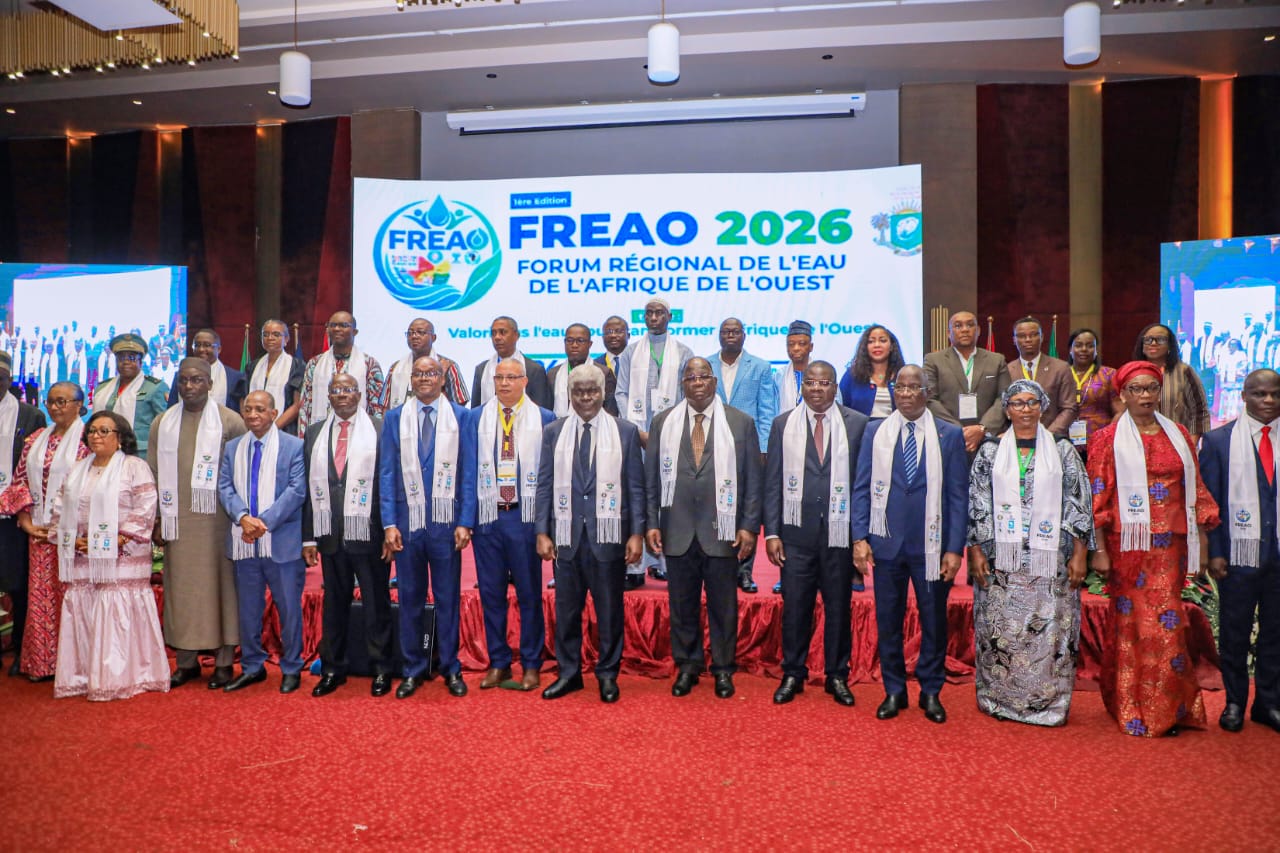
FREAO 2026: Abidjan at the Heart of a New Momentum for Sustainable Water Management in West Africa
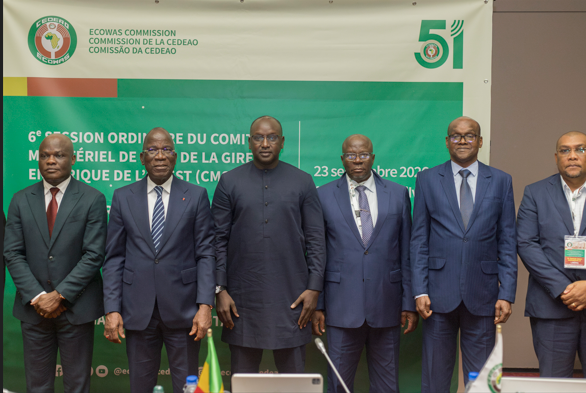
the 6th Ordinary Session of the Ministerial Monitoring Committee (MMC) on Integrated Water Resources Management (IWRM)
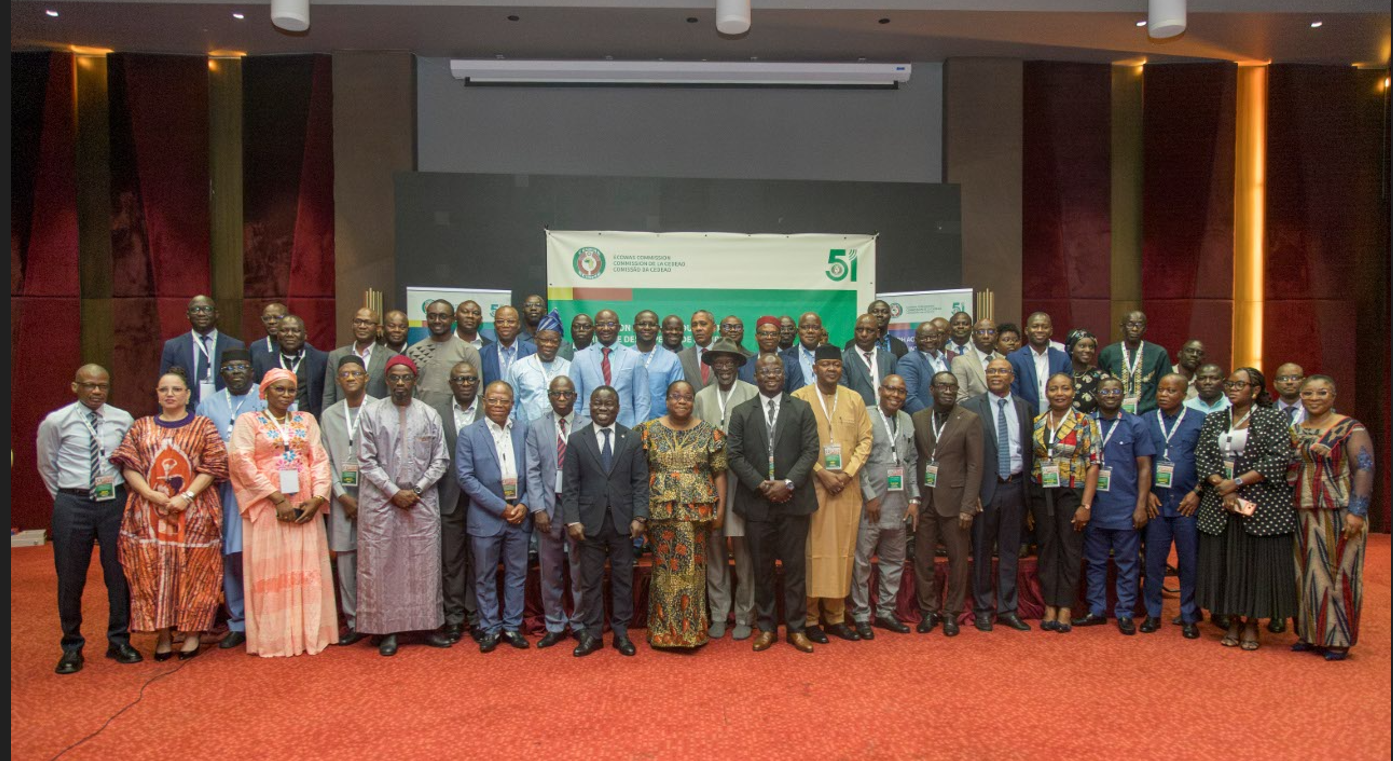
13th Ordinary Session of the Technical Committee of Experts (TCE) on Integrated Water Resources Management (IWRM).

Mission to Dakar, from August 13 to 14, 2026, to meet with the Minister of Water and Sanitation of Senegal, the current Chair of the Ministerial Monitoring Committee for Integrated Water Resources Management (IWRM) in West Africa.

ECOWAS Launches the West Africa Regional Water Forum FREAO
